
From Lima to Aspen: Chef Stefano Schiaffino’s Peruvian Tasting Menu
For Chef Stefano Schiaffino, PARC Aspen’s September Tasting Menu is more than an exploration of Peruvian cuisine. It is personal.
Throughout September, the Executive Chef of PARC Aspen is bringing the flavors, ingredients, and culinary traditions of his native Peru to the heart of downtown Aspen with a five-course tasting menu straight from the heart.
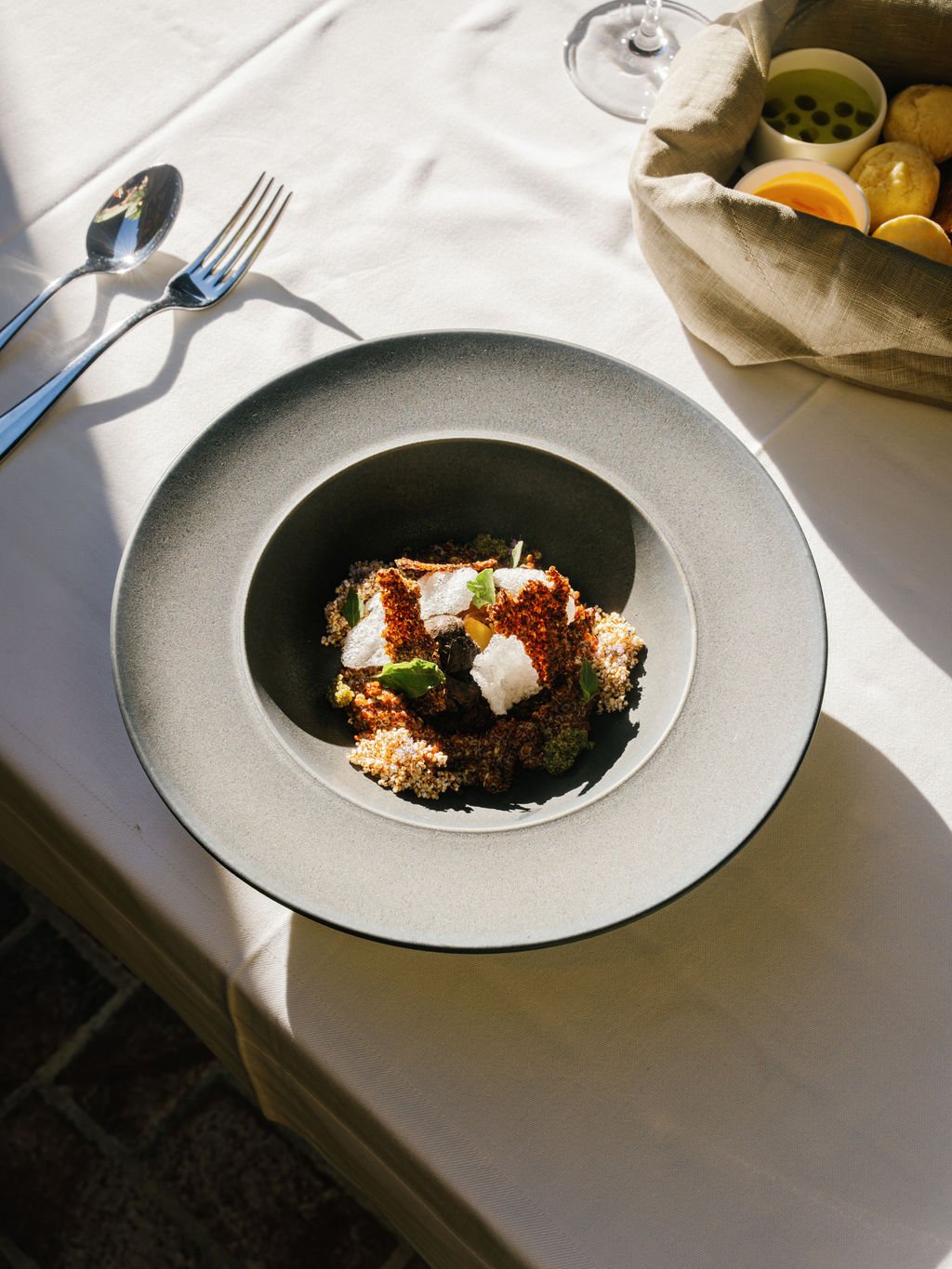
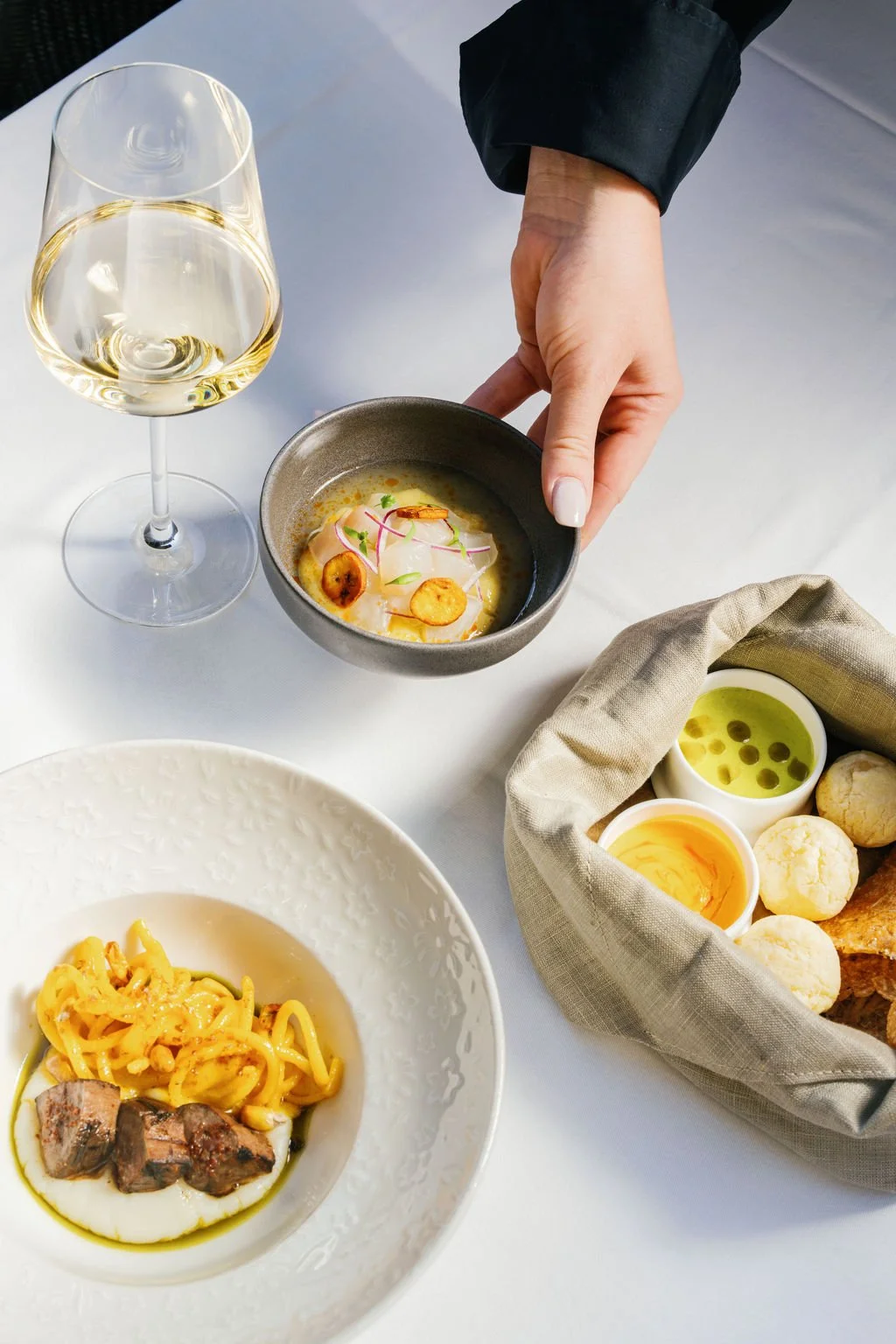
The dining experience moves from Halibut Ceviche and Granos Andinos (ancient Andean grains) into a traditional favorite for Chef, Anticuchos y Bucatini, followed by Arroz Con Pato (dry-aged duck) and finished with Lucuma y Macambo (chocolate). But beneath each dish is a larger story, one connecting the street food of Lima, thousands of years of Peruvian food culture, Colorado agriculture, and the journey of a chef who has spent much of his career cooking far from home.
For diners searching for a tasting menu in Aspen, the September Dining Experience offers something distinctly different: an opportunity to not simply taste Peru, but to understand a little more about the country through the ingredients and memories of a native.
“"The chance to showcase one of the most biodiverse and culturally rich countries, which remains widely unexplored to this day, is one of the most inspiring and fulfilling parts of my career.” says Schiaffino.
A Culinary Education That Began in Lima
Long before professional kitchens entered the picture, Schiaffino grew up in a city where the standards were set high, regardless of where the food came from.
“Lima is a city that takes cooking and restaurants so seriously,” he explains. “We are privileged to have a very high standard of service and eat really well, from street food and home cooking to fine dining. Growing up surrounded by these flavors, pride and care planted a seed in me that I keep going back to constantly for inspiration.”
Having an understanding of that pride and compassion for his heritage is rudimental in appreciating the approach Chef took for the menu.
Take the Anticuchos y Bucatini for example. Anticuchos are one of Peru’s most recognizable street foods, traditionally grilled over an open flame, served on skewers with potatoes, sometimes corn, and chile. Schiaffino took this dish one step farther, using familiar components as the foundation for something new.
Chef incorporated ají amarillo to coat the bucatini, Peruvian corn puree hidden beneath the pasta and the anticucho is cooked on a skewer before being sliced and finished with PARC Aspen’s bordelaise.
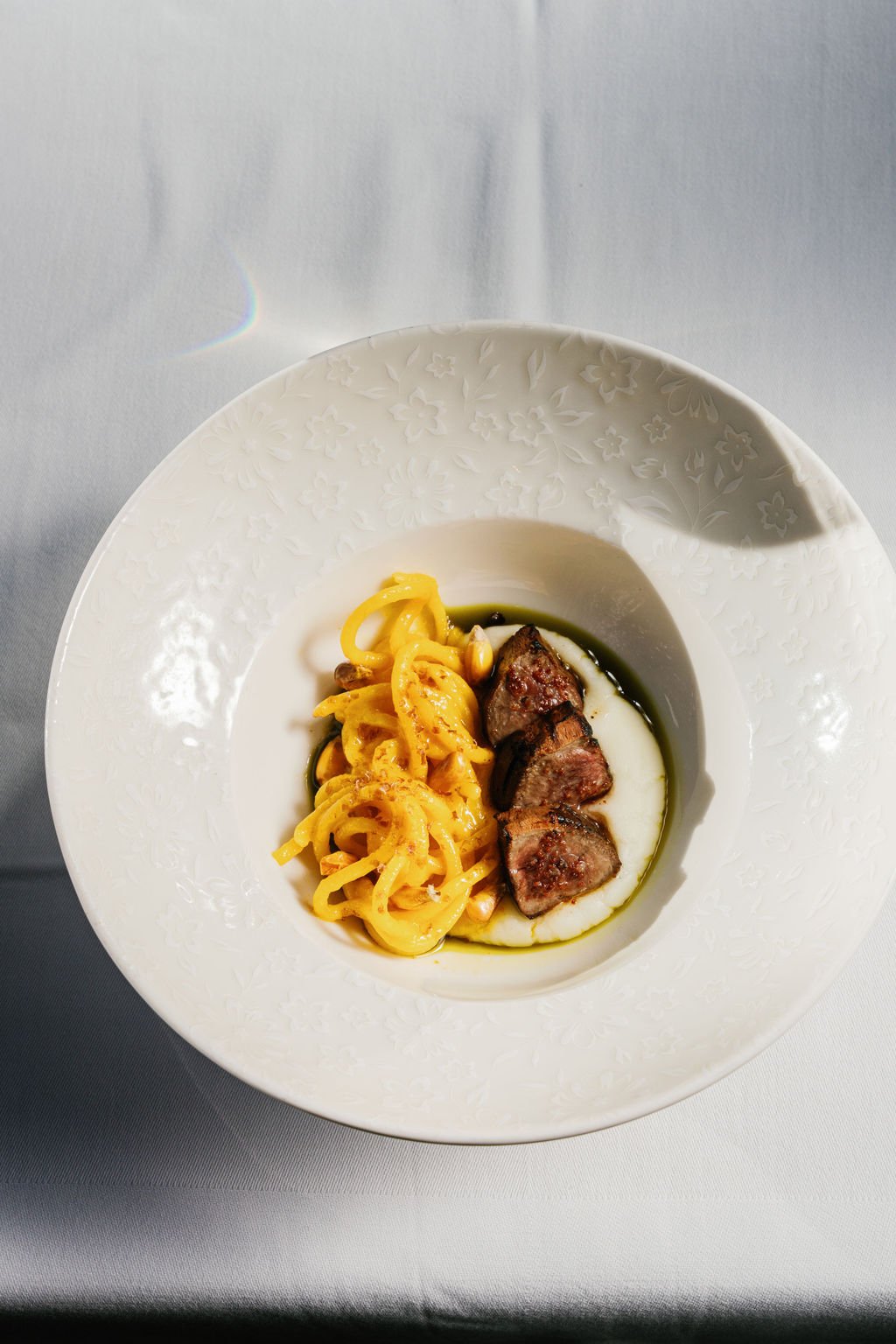
“This is my way of translating street food to a tableside dish,” he says.
It is also an apt representation of Schiaffino’s cooking at PARC Aspen: deeply rooted in memory, but interpreted through the technique and refinement of a contemporary Aspen restaurant.
Discovering Peru in Colorado Soil
Creating a Peruvian tasting menu thousands of miles from Peru presented an obvious question: where would the ingredients come from?
For Schiaffino, sourcing has long been inseparable from cooking. “I still needed to stand by my principles as a chef: know where my products come from, know who is growing them, and try to support the amazing community around me that works so hard.”
He began speaking with farmers and researching what was being cultivated around Colorado. What he discovered surprised him. Amaranth, known in Peru as kiwicha, quinoa, ají amarillo, Peruvian potato varieties, and huacatay, an aromatic Andean herb, were all being grown much closer to Aspen than he expected. The discovery allowed the menu to become simultaneously more Peruvian and more connected to Colorado.
For Schiaffino, one ingredient was particularly meaningful.
“This is the first time I have had fresh ají amarillo in America,” he says. “I’ve lived here for 10 years and believe I have been looking for them everywhere I have been.”
Ají amarillo occupies an important place in Peruvian cooking. Its unmistakable golden-orange color and distinctive fruit-forward heat appear across sauces, stews, ceviches, potatoes, and countless regional preparations.
At PARC Aspen, finding it fresh presented an opportunity to work with the ingredient differently and to build a menu around produce with an authentic connection to Peru while continuing PARC Aspen’s emphasis on seasonal and locally sourced ingredients.
“I was very surprised and happy to find more Peruvian products grown here than expected,” Schiaffino says. “They are now all a crucial part of our menu, and I feel very proud to serve them.”
An Ancient Andean Cooking Technique, Reimagined in Aspen
Perhaps the most unusual preparation on the Peruvian Tasting Menu is one most guests will never see. It happens in the soil. “The main focus on the menu is the way we cook our potatoes,” Schiaffino explains. “We are trying to recreate the technique of Pachamanca.”
Pachamanca is an ancient Andean method of cooking with heated stones underground. Foods are traditionally layered with hot rocks and herbs before being covered and allowed to slowly cook within the earth.
For his interpretation at PARC Aspen, Schiaffino and his team gathered soil from a local farm and recreated elements of the technique using hot rocks and traditional Andean herbs. “The potatoes are delicately cooked, absorbing aromas and taste of the soil and the herbs.”
It is a preparation particularly suited to an ingredient whose relationship with Peru stretches back thousands of years. The result is more than theatrical technique. Cooking this way connects an ingredient to its history, allowing the potato itself to become the story. And that is central to what Schiaffino hopes guests understand about Peruvian cuisine.
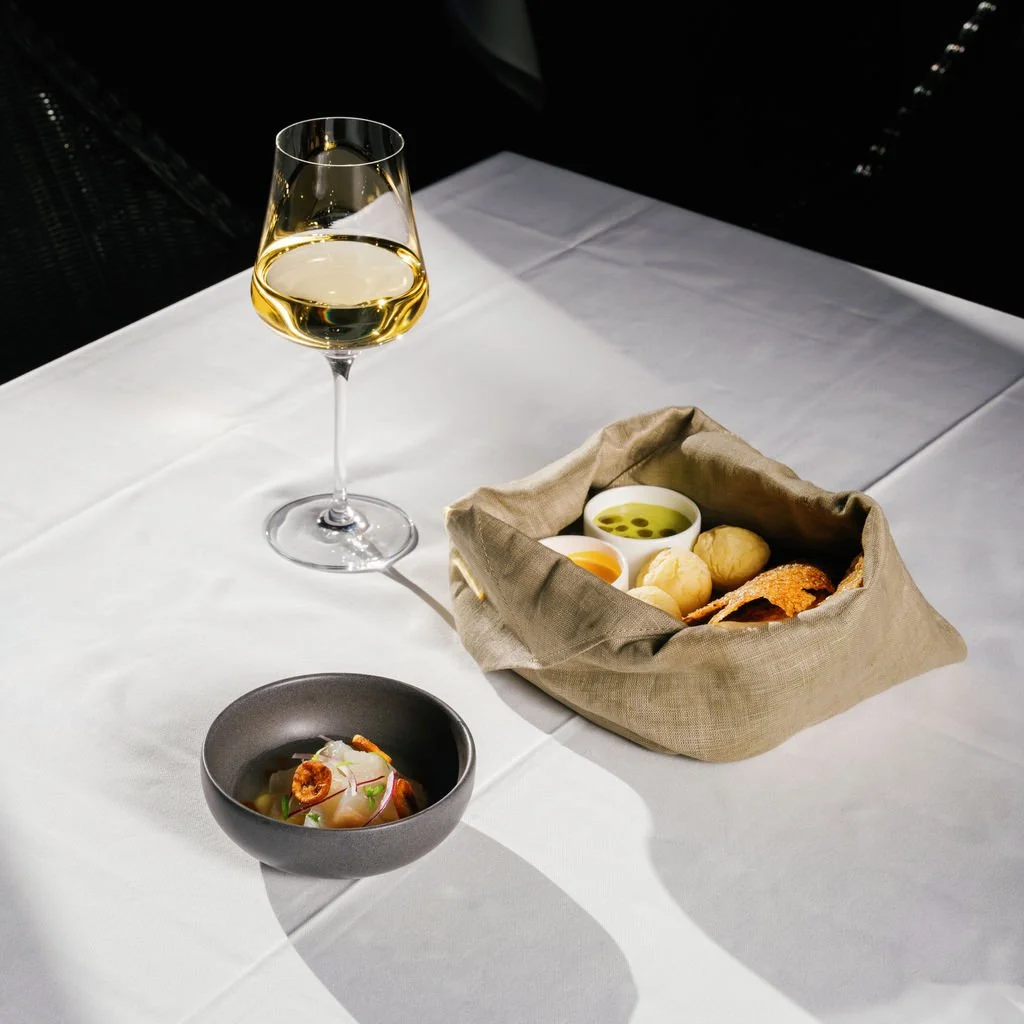
The September menu begins along Peru’s expansive Pacific coastline with Halibut Ceviche, prepared with leche de tigre and plantain. From there, the menu travels inland. Granos Andinos brings together quinoa and amaranth with marble potato and rye, spotlighting grains that sustained Andean civilizations long before they became familiar ingredients in American kitchens.
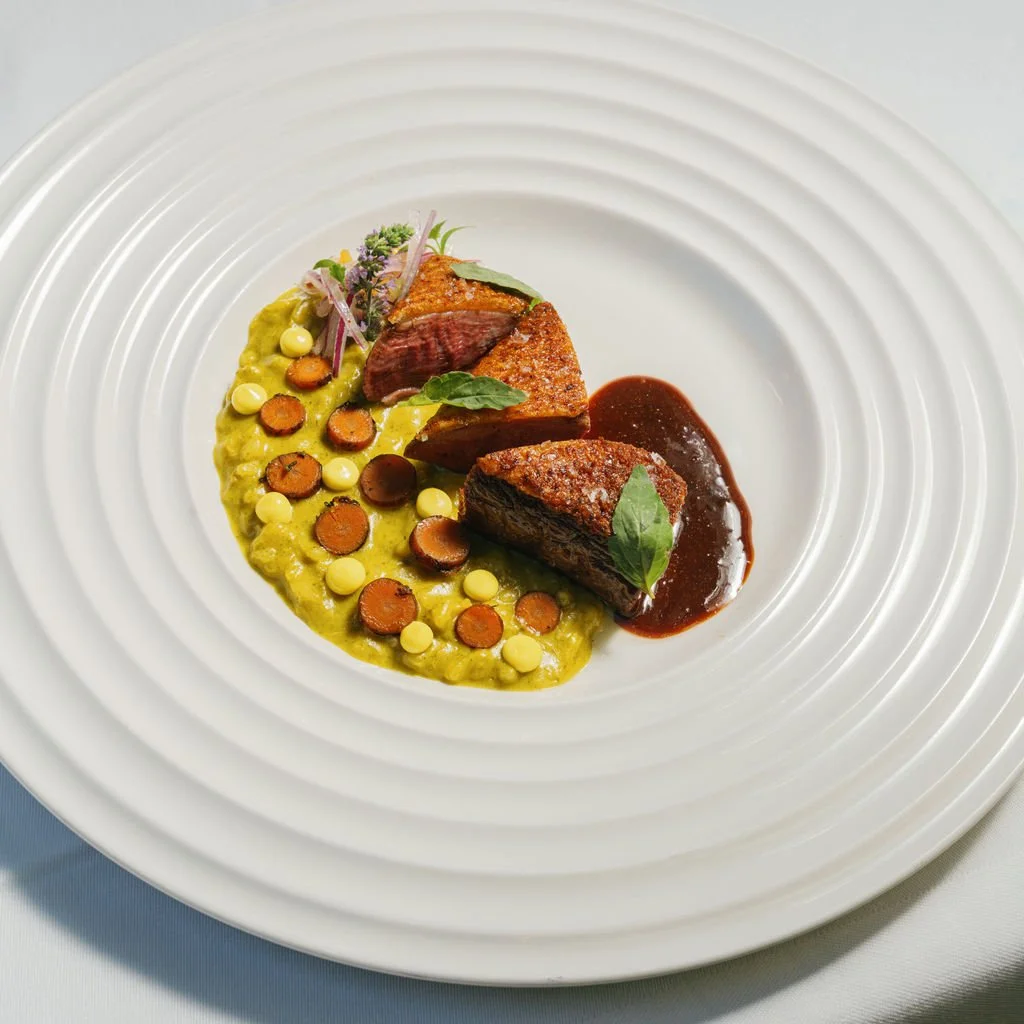
The Anticuchos y Bucatini course connects Schiaffino’s memories of Lima street food with the technique of his professional career, combining anticucho, ají amarillo, huacatay, and Peruvian corn. The savory progression concludes with Arroz con Pato, pairing 14-day dry-aged duck breast with chicha de jora and cilantro rice.
Dessert introduces another ingredient deeply associated with Peru: Lucuma, the Andean fruit prized for its naturally sweet, caramel-like flavor. At PARC Aspen, it is paired with chocolate and meringue in Lucuma y Macambo.
Together, the courses become something closer to a conversation than a traditional tasting menu. Of all Schiaffino’s goals for the menu, perhaps the most important is also the simplest.
He wants to educate guests about a culture that has so much to offer. He wants guests to know that the potato originated in the Andes. To understand that quinoa and amaranth are ancient Andean crops. To recognize that these ingredients nourished communities for thousands of years before becoming fixtures of modern restaurant menus and American grocery stores.
“I only want to spark curiosity for the guests and hopefully create enough enthusiasm to go to Peru themselves, or just to ask me many questions, because nothing excites me more than talking about Peruvian food.”
Experience the Peruvian Tasting Menu at PARC Aspen
Chef Stefano Schiaffino’s five-course Peruvian Tasting Menu is available at PARC Aspen in downtown Aspen, Colorado, from September 10 through October 10, 2026.
Located at 620 E. Hyman Avenue, PARC Aspen offers seasonal fine dining inspired by Colorado ingredients, Chef Stefano’s Peruvian heritage, and his international culinary experience. Explore the full Peruvian Tasting Menu and reserve your table at PARC Aspen.